




Key Takeaways
Next generation siem combines traditional security information and event management with advanced analytics, behavior analytics, and workflow automation to keep pace with the evolving threat landscape through 2026 and beyond.
- Next gen siem solutions are driven by data collection at massive scale, artificial intelligence, machine learning, and user and entity behavior analytics (UEBA) to detect threats that legacy siems and traditional systems miss entirely.
- Comparing traditional siem to next gen shows clear gains: next gen siem reduces false positives by up to 99%, handles exponentially larger data volume, and delivers automated response capabilities critical for cloud environments.
- Solutions Insider’s role is to help readers evaluate next gen siem platforms with vendor-neutral guidance, real-world trade-offs, and practical adoption paths-not to sell any single product.
- This article covers definitions, key features, architecture, use cases, deployment patterns, and actionable selection criteria, including how tools like CrowdStrike Falcon fit into a modern soc strategy.
Introduction: Why Next-Gen SIEM Matters Now
SIEM has evolved dramatically since the early 2010s, when it was essentially log management with compliance reporting bolted on. Today’s evolving threats-ransomware-as-a-service, supply chain attacks, identity-based intrusions-have outgrown the siem capabilities of static correlation rules and indexed log search. Next-gen siem (or gen siem) represents the convergence of information and event management, entity behavior analytics, ai driven analytics, and automated response, purpose-built for cloud services, SaaS, and hybrid work. Solutions Insider is a cybersecurity analysis publication, not a vendor. This article provides vendor-neutral guidance with examples from recognizable tools without promoting any single product.

What Is Next-Gen SIEM?
Traditional security information and event management platforms ingest log data, index it, and apply rule-based correlation. Next generation siem solutions extend this into behavior-centric, AI-assisted security operations: ingesting security data from endpoints, networks, cloud services, identity providers, and SaaS apps, then applying behavioral analytics and machine learning rather than fixed rules alone. These platforms integrate capabilities that used to require separate tools-UEBA, SOAR-like automated workflows, and sometimes NDR and extended detection telemetry. Cloud-native gen SIEMs began maturing around 2018–2022, with major players recognized in the 2024 Gartner Magic Quadrant for SIEM. Think of next-gen SIEM as the brains of a modern soc-orchestrating threat detection and response at scale rather than simply archiving logs.
Next-Gen SIEM vs Traditional SIEM
Many organizations in 2026 still run a traditional siem while piloting or migrating to gen siem, making side-by-side comparison essential. Here’s how they differ:
- Architecture: Traditional systems rely on on-prem appliances with rigid indexing; ng siem uses cloud native architecture or hybrid models with index-free search.
- Detection: Legacy siems depend on manual rules and limited behavior analytics; next gen platforms employ statistical baselining, anomaly detection, and risk scoring driven by machine learning.
- Alert quality: Organizations generate an average of 11,000 security alerts daily. Traditional siem produces massive false positives and alert fatigue; next gen siem reduces false positives by up to 99% through correlating data from multiple sources into contextual incidents.
- Search speed: Minutes in traditional systems; seconds in modern platforms (some vendors report 150× faster search at petabyte-scale log ingestion).
- Response: Traditional SIEM has no integrated response; next gen siem automates responses to detected threats using predefined playbooks.
Organizations moving from legacy platforms like older Splunk or QRadar deployments to AI-heavy solutions from 2022–2025 consistently report reduced noise, faster mean time to detect, and cost savings.
Key Features and Capabilities of Next-Gen SIEM
Every vendor markets “advanced analytics,” but buyers should focus on concrete key features. Core capabilities include comprehensive data collection, advanced analytics and machine learning, user and entity behavior analytics, automated response, and scalable performance. Integration with NDR technology improves visibility of network threats, while integration with threat intelligence platforms enhances detection accuracy. Next-gen SIEM also correlates data from multiple sources for better threat detection across diverse sources.
Comprehensive Data Collection and Normalization
Next-gen SIEM ingests massive streams of security-relevant data: endpoint telemetry, network flows, DNS logs, identity and access logs, cloud audit logs (AWS CloudTrail, Azure Activity Logs), and SaaS app events like Microsoft 365 and Salesforce. Normalization maps diverse schemas into a common model, enriching with geo-IP, asset criticality, and threat intelligence context. Mature platforms handle petabyte-scale data volume per day with sub-second query times-a key differentiator from older SIEMs. Next-gen SIEM platforms provide cloud-native architecture for better ingestion of telemetry from these data sources.
Advanced Analytics and Machine Learning
Advanced analytics goes beyond static rules to include statistical baselining, anomaly detection, clustering, and supervised models trained on historical data from real incidents. Next-gen SIEM integrates AI and machine learning for detecting anomalies in data, dynamically scoring events with risk values based on context like time of day, user role, and asset sensitivity. Benefits include dramatic reduction in false positives, better detection of low-and-slow attacks, and improved prioritization for overwhelmed security analysts. These platforms help identify sophisticated threats that rule-based systems consistently miss.
User and Entity Behavior Analytics (UEBA)
User and entity behavior analytics helps identify malicious activity by profiling normal user behavior for users, devices, service accounts, and applications, then flagging deviations. Concrete examples include impossible travel logins, sudden large data exfiltration, or privileged account access from new geographies. UEBA uses unsupervised machine learning or graph analytics to associate unrelated security events across different data sources, enabling security teams to detect anomalies and detect threats with no known signature. Next gen siem employs behavioral analytics for real-time threat detection, complementing IOC-based methods with intent and behavior analysis. Buyers should evaluate UEBA depth carefully-it’s a critical differentiator among platforms.
Automated Response and Orchestration
Modern gen SIEMs embed automated response capabilities-often SOAR-like-to execute playbooks when risk thresholds are crossed. Next-gen SIEM systems facilitate automated containment workflows using SOAR capabilities. Practical examples: isolating an endpoint via EDR integration, forcing password resets through an identity provider, blocking IPs, or creating ServiceNow tickets. Next-gen SIEM uses playbooks to automate incident response actions, and automation can be partial (enrichment, notification) or full (containment) with human approval workflows to prevent over-automation. This enables allowing security teams, even small ones, to operate at machine-speed response with reduced manual intervention, freeing analysts for strategic initiatives like threat hunting.
Scalability, Performance, and Cost Management
Next-gen SIEM uses cloud-scale architectures to handle large volumes of security data efficiently, with microservices, elastic compute, and separation of hot versus cold data tiers. Since 2020, data volume from cloud adoption and remote work has grown roughly 30% annually at many organizations. Some platforms report 150× faster search and 50% storage reduction versus legacy SIEM. Buyers must evaluate log ingestion pricing, retention policies, and data locality options. For mid-market organizations (100–500 employees), SIEM license costs alone can range from $250,000–$600,000 per year, so cost management isn’t optional.
How Next-Gen SIEM Works in Practice
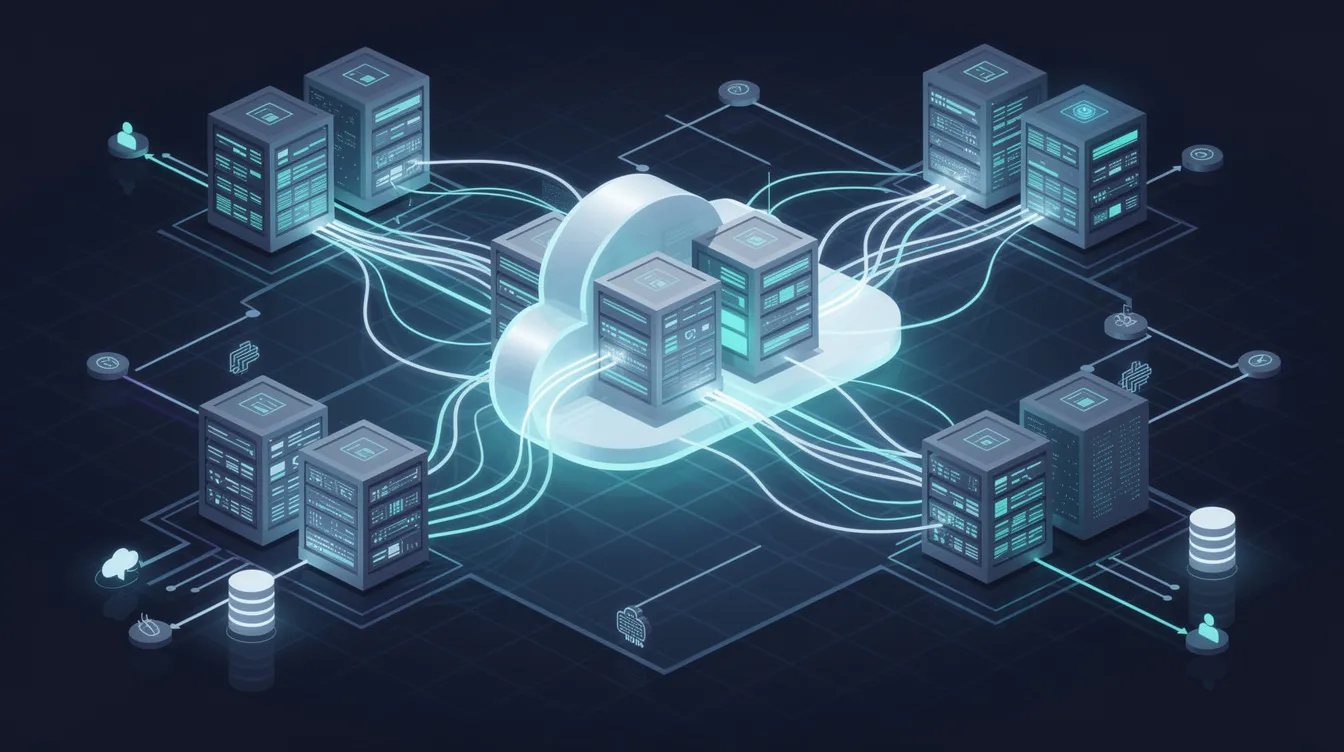
The typical pipeline moves from data collection through normalization, correlation, analytics, triage, and response. Here’s how that looks operationally in a modern information and event management context.
From Raw Events to Correlated Security Stories
Raw events from firewalls, EDR, identity providers, email security, and cloud platforms are ingested and time-ordered into a unified timeline. Correlation logic stitches disparate events into incidents-linking a phishing email, credential reuse in Okta, unusual VPN login, and suspicious Microsoft 365 file access into one “story.” Alert triage is improved in next-gen SIEM by correlating alerts into contextual timelines, consolidating dozens of low-level alerts into a small number of high-context security incidents, directly reducing alert fatigue.
Risk Scoring, Prioritization, and Triage
Entities and events receive dynamic risk scores using behavioral anomalies, known-bad indicators, asset criticality, and threat intelligence matches. This enables automatic prioritization so security analysts focus on highest-risk user activities and systems rather than chronological queues. Many platforms incorporate MITRE ATT&CK mapping, categorizing activity into tactics and techniques to contextualize the stage of an attack, driving queue management and metrics like mean time to detect and respond.
Automated and Semi-Automated Response Workflows
A high-risk incident triggers a playbook: enrich with threat intelligence, confirm the anomaly via behavior analytics, lock the impacted account, isolate the endpoint, and create a case ticket with full timeline. Analysts can override or approve steps, balancing speed and control. Next-gen SIEM automates responses using predefined playbooks for threats, and over time, analyst feedback (true positive vs false positive) tunes detection models-enabling security teams to achieve continuous improvement in response time and accuracy.
Why Next-Gen SIEM Is Critical in Today’s Threat Landscape
Cloud migration, SaaS sprawl, remote work, and increasingly AI-assisted adversaries make next-gen SIEM a core control. It’s not a silver bullet, but it amplifies existing tools (EDR, NDR, email security, IAM) by correlating and contextualizing their alerts into actionable intelligence and actionable insights.
Evolving Threat Landscape
Adversaries have shifted to stealthy, identity-focused, and living-off-the-land techniques. Traditional SIEM rules fail against attacks like phishing → OAuth token theft → cloud data access. Next-gen SIEM uses behavior analytics, UEBA, and cross-domain correlation to address emerging threats and detect threats like account takeover and lateral movement. These evolving threats justify next-gen investment even for smaller organizations.
Data Volume and Complexity
Organizations now produce millions to billions of security events daily. With thousands of alerts per SOC each day, overwhelmed teams miss real incidents. Next-gen SIEM addresses this through machine learning clustering, deduplication, and ranking, plus efficient search and tiered storage. Without these capabilities, security teams face slow investigations, incomplete searches, and unactioned alerts-comprehensive visibility becomes impossible.
Compliance, Governance, and Insurance Requirements
Regulatory frameworks like GDPR, HIPAA, PCI DSS, and SOX continue raising expectations. Next-gen SIEM automates compliance reporting for GDPR and HIPAA, and next gen siem supports compliance for PCI DSS and SOX regulations. Automated compliance reporting helps maintain data governance and privacy. Next gen siem solutions streamline audit processes for regulatory adherence. Cyber insurers increasingly require robust real time monitoring and incident response capabilities, with next-gen SIEM cited in underwriting questionnaires.
Talent Shortages and SOC Efficiency
The cybersecurity workforce gap remains severe, with vacancy rates around 26% in the US. Next-gen SIEM augments analysts with automation, AI-assisted triage, and intuitive interfaces, enabling security teams to handle enterprise-scale environments under resource constraints. Features like guided investigations and natural-language querying reduce ramp-up time, shifting effort from basic triage to threat hunting and strategic risk management. The goal is enabling security teams as a force multiplier, not replacing human expertise.
Real-World Use Cases and Deployment Patterns
The value of next-gen SIEM becomes clearest through concrete scenarios, not feature lists.
Stopping Ransomware and Business Email Compromise
Next-gen SIEM correlates phishing logs, identity anomalies, and EDR alerts to detect ransomware precursors before encryption. Behavioral analytics identifies unusual privilege escalations associated with BEC campaigns. Next-gen SIEM can automate responses-blocking malicious inbox rules, disabling compromised accounts, isolating endpoints-to shorten dwell time from days to hours. These workflows are significantly harder with traditional siem lacking integrated analytics.
Insider Threat and Account Misuse Detection
UEBA identifies insiders downloading sensitive data at unusual times or accessing systems outside their role. Risk scoring via entity behavior analytics differentiates benign anomalies from potential threats requiring escalation. Integrating HR events, access changes, and ticketing data provides context-though legal and privacy considerations must guide response.
Cloud and SaaS Security Monitoring
Next-gen SIEM supports integration with cloud platforms for comprehensive monitoring, centralizing logs from AWS, Azure, Google Cloud, Microsoft 365, Okta, and Salesforce. Detection scenarios include impossible travel, mass OAuth consent, misconfigured S3 buckets, and suspicious IAM changes. Next gen siem integrates with public and private cloud platforms, providing near real-time visibility and eliminating blind spots common in siloed cloud-native tools.
Service Providers and Multi-Tenant Environments
MSSPs use next gen siem platforms with multi-tenant capabilities to manage security for hundreds of clients with strong access controls, tenant separation, and role-based dashboards. Big data analytics at scale allows service providers to identify emerging threats through cross-customer threat correlation and centralized event management under a single pane of glass. Organizations evaluating MSSPs should ask which gen SIEM underpins the service and how it influences detection quality.
How to Evaluate and Select a Next-Gen SIEM
Whether upgrading, replacing, or running a hybrid strategy, choosing a gen SIEM involves technical, operational, and financial dimensions. Solutions Insider helps map vendor claims to practical needs.
Clarify Objectives and Use Cases
Document primary goals: improving detection quality, consolidating tools, cloud visibility, compliance, or reducing costs. Prioritize 3–5 concrete use cases as anchors for vendor evaluation and align them with measurable KPIs. Involve stakeholders from security operations, IT, compliance, and business units.
Assess Architecture, Integrations, and Data Strategy
Evaluate whether platforms are truly cloud-native or hybrid-capable. Prebuilt integrations for existing EDR, NDR, IAM, and firewalls are critical-integration gaps delay projects. Test search performance under realistic data volume, not vendor benchmarks alone.
Evaluate Analytics, UEBA, and Automated Response Depth
Probe how vendors implement behavior analytics and UEBA. Request demonstrations of the full lifecycle from anomaly detection through case creation and automated response. Transparency and explainability matter, especially for regulated industries where security teams must justify decisions to auditors.
Total Cost of Ownership and Operational Impact
Costs extend beyond subscription fees to log ingestion charges, storage, staffing, training, and migration. Model at least 3-year TCO including projected data growth. Some organizations offset costs by decommissioning overlapping tools, but pilot the platform with limited use cases first to measure real-world impact on analyst workload.

FAQ: Next-Gen SIEM Questions Security Leaders Actually Ask
These questions capture practical concerns from CISOs and SOC managers between 2023–2026, answered with vendor-independent facts.
Can I run a next-gen SIEM alongside my existing traditional SIEM?
Yes. Many organizations operate both in parallel during a 12–24 month transition, using next-gen SIEM for advanced analytics while keeping legacy platforms for compliance archives. Plan clear cutover milestones-moving specific log sources or use cases-and avoid indefinite dual-operation, which increases cost. Treat coexistence as an opportunity to rationalize logging and update incident response procedures.
Do I need a fully staffed 24/7 SOC to benefit from a next-gen SIEM?
No. While large enterprises pair next-gen SIEM with 24/7 coverage, smaller teams gain significant value from automated response, scheduled hunts, and on-call models. Cloud-delivered platforms with behavior analytics help lean teams prioritize critical alerts. Some organizations augment internal staff with an MSSP or MDR provider for outsourced monitoring alongside in-house context.
How long does it typically take to deploy a next-gen SIEM?
Initial cloud deployment with core integrations can take 4–8 weeks, but full rollout with tuned detections and automated response typically requires 3–6 months. Timelines depend on log source count, environment complexity, and staff availability. Break deployment into phases: proof of concept, pilot with priority use cases, broader onboarding, then optimization.
Is next-gen SIEM only for large enterprises with massive data volume?
Not anymore. Modern pricing models (multi-tenant platforms, usage-based tiers, managed services) make big data analytics and automated response accessible to mid-sized organizations. SMBs should define narrow, high-value use cases and control data ingestion scope. Even moderate-volume organizations benefit from UEBA and integrated event management as sophisticated threats grow more common.
How does a solution like CrowdStrike Falcon fit into a next-gen SIEM strategy?
CrowdStrike Falcon provides endpoint, identity, and cloud telemetry along with its own next-gen SIEM component (Falcon LogScale) that can serve as either the primary SIEM or a major data source. Organizations choose between adopting an integrated stack or forwarding telemetry into a separate platform. Focus on interoperability, data portability, and clear cost models. Solutions Insider helps readers compare platform-centric versus independent SIEM architectures through unbiased, scenario-driven analysis.